
Bitter substances in food are important

July 15, 2025

Plants contain many active substances, and it is not an exaggeration to say that many of the chemical substances we use in modern medicine today were originally found in plants known in traditional herbal medicine.

When the physician Hippocrates is quoted as saying “let thy medicine be thy food and thy food be thy medicine“, it can be understood that the particularly active plant substances from herbal medicine actually belong to larger families of active plant substances that are found in all plants. Therefore, plants in our diet can generally contribute to our health. Let’s look at some of the mechanisms of action.

Most of the chronic diseases that afflict people who eat a “Western” diet like the Danish one are neurological diseases such as dementia, metabolic diseases such as Type 2 diabetes and cardiovascular diseases such as atherosclerosis. There is increasing evidence that these diseases are caused by two things: Chronic oxidative stress and chronic inflammation, both of which can cause problems in the gut and in other organs of the body.

Until about three decades ago, our understanding of the gut was focused on the body’s own ability to digest food, and the bacteria in the gut were largely considered “stowaways”. Today, we are aware that the bacterial composition of the gut (the microbiota) contributes greatly to the health and disease of the entire body.

It is therefore interesting that the active plant substances found in the diet can change the composition of the intestinal bacteria in a healthier direction. In addition, many plant substances are strong antioxidants that can act both in the intestine and throughout the body when absorbed from the intestine, and many plant substances actively inhibit inflammatory reactions in both the intestine and the body’s cells.

Among the families of active plant substances that we come into contact with on a daily basis are allicins from onions, flavonoids from the colored substances in fruits and vegetables, glycosinolates from cabbage, tannins in virtually all fruits and vegetables, and essential oils from all the fragrant herbs and spices.

Plants produce all these active plant substances to protect themselves against disease-causing bacteria, viruses, fungi, etc., and they have a similar effect when we eat them, where they can act in the intestine and further, when absorbed from the intestine, can act throughout the body.

The most widespread group of active plant substances are tannins, and the following article describes some of the most important functions that tannins can contribute to our physical and mental health.

Klaus Sall
Biologist, Cand. Scient.


The importance of tannins for our health

We are all familiar with the slightly bitter brown skin that surrounds walnut kernels. The skin is high in tannins, and it is a good example of how plants protect themselves from attack by fungi and bacteria. Potatoes and carrots also deposit tannins in their skins to prevent their tubers and roots from being eaten by fungi and parasites – and apples, pears, plums, grapes, blueberries and other fruits use both tannins and the colorful substances called flavonoids in their skins as part of their protection against attacks from, for example, viruses and fungi.

Tannins were originally described as polyphenols that can precipitate protein dissolved in water. They are called polyphenols because they are made up of many smaller phenols, and tannins are usually divided into two main groups: hydrolyzable tannins and condensed tannins.

tanniner

The illustration shows a few examples of how tannins can be structured, and their high content of OH groups, which forms the basis for their antioxidant effect.

The figure shows on the left the structure of a hydrolyzed tannin with a sugar molecule in the middle and phenolic groups on the right and left bonded together over oxygen O. On the right a small section of a condensable tannin, which is usually very large molecules with the same phenolic group bonded over and over again directly from carbon to carbon, which makes this type of tannins very stable.

Tannins can help change the intestinal environment in a healthier direction. Hydrolyzable tannins are broken down into the phenols they are made up of, such as Gallic Acid and Ellagic Acid. Ellagic Acid is partially broken down into various urolithins and, like Gallic Acid, they can be easily absorbed from the intestine and affect cells throughout the body with their antioxidant effect.

Tannins are by far the most widespread of the special plant substances that give many medicinal herbs their effect, and tannins therefore play an important role in those plants that have traditionally been used to treat, for example, diarrhea and various infections. In our diet, tannins are primarily found in, for example, walnuts and other nuts, peas, beans, pomegranate (juice), cranberries and tea.

In addition to being known as powerful antioxidants, tannins and their building blocks are also valued for their antibacterial, anti-inflammatory, prebiotic, and astringent properties. While this article attempts to describe some of the properties of tannins individually, it is clear that these properties are closely intertwined when they work in the body.

Anti-bacterial
Tannins can inhibit several well-known harmful bacteria such as Clostridium difficile (Clostridioides difficile) which can cause severe watery diarrhea, which most often affects children and the elderly, but also inhibit Clostridium perfringens, which can cause bloody diarrhea. There is also documentation that tannins inhibit Heliobacter pylori, which can cause stomach ulcers, and Staphylococcus aureus, which can infect wounds or cause inflammation in our mucous membranes.

Most bacteria that we live with peacefully get their energy by fermenting starch and sugar into lactic acid and other acids. But some bacterial species prefer to get their energy by fermenting protein – or rather – amino acids, which are the building blocks of protein.

When bacteria break down amino acids, they can only take a small bite of the amino acid, after which they excrete the rest as waste products. The partial breakdown is completely similar to the bacteria that need sugar to get their energy, but in the case of the sugar-fermenting bacteria, we value the waste products in the form of, for example, lactic acid. The waste products from the protein-fermenting bacteria, on the other hand, are capable of creating inflammation in our intestines. These are waste products such as ammonia (NH3), hydrogen sulfide (H2S), cadaverine, putrescine, skatole, acetone and trimethylamine (TMA), among others.

Although the protein-fermenting bacteria are not necessarily actual disease-causing bacteria themselves, their waste products, and especially ammonia, can create an environment where disease-causing bacteria thrive, while the growth of the lactic acid-producing bacteria is reduced.

Skamatisk Illustration af bakterie der nedbryder tryptofan

The illustration shows how a bacteria breaks down the amino acid tryptophan, after which it excretes the rest: ammonia and skaltole.

One theory behind the inhibitory effect of tannins on amino acid fermenting bacteria is that the tannins bind to and inhibit the enzymes that the bacteria secrete to release amino acids from protein. This lowers their metabolism, numbers and their production of waste products so that the lactic acid-producing bacteria can once again dominate the environment in the gut.

Anti-inflammatory
When we talk about inflammation in everyday life, we usually think of infections by bacteria or viruses, but a large part of the inflammatory reactions in the body are purely chemical. Most of the chronic diseases that dominate in Western countries are linked to chronic inflammation in the body. These are diseases such as atherosclerosis and other cardiovascular diseases, type 2 diabetes, various forms of dementia plus of course the autoimmune diseases such as rheumatoid arthritis, psoriasis and gastrointestinal problems such as irritable bowel syndrome and/or colon.

Inflammation is a cascade of reactions of many different chemical substances and cells that clean up all kinds of “disorder” in the body’s cells and tissues. An inflammation should ideally end with some other substances and cells dampening the reaction, all the way down to normal. As the list of chronic diseases above shows, this dampening does not always occur to a sufficient extent. In this regard, diet can play an important role in the regulation of inflammation in cells and tissues, and many studies show that a diet with a higher content of tannins, etc. is associated with lower levels of inflammation in animals and humans.

Tannins and their degradation products such as gallic acid, ellagic acid and urolithins are interesting because they each have a well-documented anti-inflammatory effect in the intestine if/when they are absorbed into the body. Tannins inhibit several inflammatory processes in the body and in particular they inhibit the production of nuclear factor-κB (NF-κB). NF-κB mediates a cascade of pro-inflammatory cytokines from immune cells called macrophages in stage 1 (M1). When tannins inhibit the activation of NF-κB, it leads to reduced production of cytokines that cause inflammation such as tumor necrosis factor-α (TNF-α), interleukin-1β, (IL-1β) and interleukin-6 (IL6) so that the inflammatory cascade is attenuated.

There is increasing evidence that tannins also actively suppress inflammation more directly by promoting the transition of macrophages to an anti-inflammatory stage (M2), where the macrophages suppress and repair cell damage, and that tannins also stimulate the production of interleukin-10 (IL10), which also actively suppresses inflammation.

Antioxidant
The latest research in the field of aging indicates that the ability of cells to passivate free radicals decreases as our bodies age, and the body develops what is often referred to as oxidative stress. Oxidative stress therefore appears to be one of the main reasons why cells and tissues age. Conversely, a number of studies have shown that tannins in food, with their antioxidant effect, can support the body’s ability to passivate free radicals, thereby stopping or reducing oxidative stress.

Free radicals arise because electrons have a very strong tendency to exist as pairs, but in the cell oxygen compounds are constantly formed, where one electron is “alone”. These unpaired electrons will attract an electron from other molecules with great force. When the free radicals pull an electron from other molecules, they can damage, for example, enzymes, fatty acids in cell walls, DNA and other important molecules in the cell. Free radicals are typically oxygen compounds such as O2-, O-, H2O2, OH* or ONOO-, but can also be metal compounds such as iron’s ferrite ion Fe3-, where the number of electrons is not in balance.

Each of the OH groups shown in the tannin illustration below can release an electron and thereby act as antioxidants that can passivate the free radicals that can arise during digestion or metabolism in the cells.

Gallussyre og ellaginsyre

Gallic acid on the left and ellagic acid on the right.The mitochondria of all our cells constantly produce lots of free radicals, but also enzymes and antioxidants that can neutralize them. In young healthy cells and healthy tissue, the balance between the free radicals and the cell’s ability to quickly passivate them is at an appropriate level.

The problem with free radicals is not that they exist, but that the balance between free radicals and antioxidants can become unbalanced, so that more free radicals are formed than the cells have the ability to passivate again. This can, as a kind of chain reaction, cause a kind of chemical inflammation in, for example, the intestines and in the body’s organs and tissues to become permanent, and tannins can help break this chain.

Prebiotic effect
It is difficult to point out some bacteria as “good” and some as “bad”, because the different species of bacteria have a very large variation. However, results from many scientific studies in animals and humans have shown that certain species – genera and/or entire families of bacteria are linked to a healthy gut, while others are linked to various diseases. Tannins have been shown in many studies to have a positive effect on the composition of the gut microbiota, and that they therefore function as prebiotics.

Prebiotics are defined as the part of our diet that we cannot digest ourselves, but which, for example, promotes the growth of beneficial bacteria in the intestine, thereby promoting our own health. The healthy effect may be partly due to some bacteria in the intestine actively fighting bacteria that cause inflammation in the intestine, but may also be due to the “good” bacteria producing substances that are absorbed from the intestine and that the body benefits from, or the “good” bacteria inhibiting the “bad” bacteria’s production of substances that have a negative effect on the body.

It has been known for many years that bacteria in the gut can make an important contribution to the body’s need for vitamin B12 and other B vitamins, and that Bifidobacteria produce butyric acid, which is important for the well-being of the colon tissue. More recently, it has been documented that a significant portion of the body’s serotonin is produced by gut bacteria, which thus contributes to one of the important hormones that strengthen our good mood, and there is increasing evidence that there are several substances produced in the gut that can affect both our mental state, immune system and physiology in a negative or positive direction.

Over the past 20 years, a number of articles have been published on the effect of hydrolyzable and condensed tannins on the gut microbiota, and also the effect of the substances that the bacteria produce when they break down the tannins. While tannins are large molecules that largely only act in the gut, the substances that the tannins break down into can be absorbed from the gut, and thus act throughout the body.

So far, only a few genera and species of bacteria have been discovered that can break down tannins, such as species within the Ellagibacter, Enterococcus, Gordonibacter and Streptococcus genera. In addition, there are a number of bacteria linked to the wider food chain. These are bacteria that thrive better because they can utilize the substances that tannins break down into. When we eat more tannins over a longer period of time, species within the Lactobacillus, Bifidobacterium, Akkermansia, Roseburia and Faecalibacterium genera are promoted, all of which are genera of bacteria that are linked to healthy intestinal function.

When tannins promote colonization in the intestine by Lactobacillus and Bifidobacter, it helps to ensure a slightly more stable, acidic environment in the intestine, which can inhibit a number of pathogenic bacteria. Bifidobacter can also produce the substance nicin, which directly inhibits several different pathogenic bacteria from the Clostridia genus.

Hydrolyzable tannins are broken down by bacteria to, among other things, ellagic acid, which is further broken down to various forms of urolithin. It is not often that one experiences researchers being directly enthusiastic about their research results, but those are the researchers who investigate the physiological effects of urolithins. One of the reasons is that it appears that urolithin both inhibits type 2 diabetes and the development of cancer, and at the same time protects and activates the energy production of mitochondria, thereby also strengthening our muscles.

Similarly, very positive effects have been seen with gallic acid, another breakdown product of tannins. A study on mice with artificially induced intestinal inflammation showed a very positive effect on intestinal health at a dosage of up to 50 mg/kg, which in humans would correspond to a dosage of 3 g for a 60 kg adult.

Astringent
Tannins are commonly known for their astringent properties, which give a tightening sensation in the mouth. The scientific explanation for this effect is still not entirely clear, but can probably be linked to a similar effect that tannins have in the intestine, where they quickly have an inhibitory effect on the transport of water across the intestine, thereby reducing symptoms of diarrhea.

Diarrhea can be caused by many different inflammatory reactions and infections, but what they have in common is that they usually cause fluid and salts from the body to flow into the intestine through the microscopic passage between the cells of the intestine – a passage called a tight junction.

As part of the gut’s response to inflammation in the gut, the gap between the cells becomes larger and loses some of its ability to filter which substances can pass from the body into the gut and vice versa from the gut into the body. Laboratory experiments have shown that tannins pull the cells closer together, and that they can thereby contribute significantly to stopping this uncontrolled transport. Animal experiments have shown that rabbits, pigs, cows and chickens have less diarrhea when tannins are added to the feed – and something similar applies to humans.

Fire tarmceller, hvor den 4. er betændt

The illustration shows four intestinal cells, where the green arrow shows a healthy reaction, where only small molecules of up to about 1 nm (nanometer) can pass. The blue arrow shows an inflamed cell, where larger molecules of up to 10 nm can pass. On the right, the red arrow at an intestinal cell that is undergoing degradation, where everything can pass. Adapted from Zuo, Kuo and Turner, 2020.

The hydrolysable tannins can be broken down in the intestine to the phenols they are made of, and it is therefore both the tannins and their breakdown products that can help change the function of the intestine as a barrier in a healthier direction. Ellagic acid is partially broken down to urolithin A and B, which, like gallic acid, are easily absorbed from the intestine, and thus they can also affect the cells throughout the body with their astringent effect.

In traditional herbal medicine, the astringent effect of tannin extracts is used, among other things, to treat hemorrhoids and to stop bleeding.

Eat more greens
For the past 70 years or so, plant breeders have fairly systematically selected plant varieties with lower and lower levels of most types of plant substances such as alkaloids, flavonoids, saponins, tannins and essential oils, as they have been perceived as anti-nutrients. However, when plants are attacked by various enemies, they increase their production of these substances, which means that the plants produce them with an important purpose, which is to fight bacteria, viruses and other enemies.

When we eat plant substances such as tannins, essential oils, etc., the intestinal contents become more complex, and therefore also the intestinal microbiota, and harmful bacteria find it more difficult to dominate the intestinal environment.

Most of the diseases that characterize old age in the Western world are caused by oxidative stress and chronic inflammation, both of which can be reduced with higher levels of plant substances in our diet.

So – eat more greens and use more spices!

Klaus Sall
Biologist, Cand. Scient.


References and further reading:

Centonze, M. et al. 2025. The Antiaging Potential of Dietary Plant-Based Polyphenols: A Review on Their Role in Cellular Senescence Modulation. Nutrients, 17(10), p. 1716. Available at:
https://doi.org/10.3390/nu17101716.

Cosme, F. et al. 2025. A Comprehensive Review of Bioactive Tannins in Foods and Beverages: Functional Properties, Health Benefits, and Sensory Qualities. Molecules, 30(4), p. 800. Available at: https:/
https://doi.org/10.3390/molecules30040800.

He, Q. et al. 2023. Tannins amount determines whether tannase-containing bacteria are probiotic or pathogenic in IBD. Life Science Alliance, 6(5). Available at:
https://doi.org/10.26508/lsa.202201702.

Molino, S. et al. 2025. Improving Irritable Bowel Syndrome (IBS) Symptoms and Quality of Life with Quebracho and Chestnut Tannin-Based Supplementation: A Single-Centre, Randomised, Double-Blind, Placebo-Controlled Clinical Trial. Nutrients, 17(3), p. 552. Available at:
https://doi.org/10.3390/nu17030552.

Ozogul, Y. et al. 2025. Tannins for food preservation and human health: A review of current knowledge. Applied Food Research, 5(1), p. 100738. Available at:
https://doi.org/10.1016/j.afres.2025.100738.

Raya-Morquecho, E.M. et al. 2025. Ellagitannins and Their Derivatives: A Review on the Metabolization, Absorption, and Some Benefits Related to Intestinal Health. Microbiology Research, 16(6), p. 113. Available at:
https://doi.org/10.3390/microbiolres16060113.

Wang, Y.-H. et al. 2025. The improvement effect of ellagic acid and urolithins on metabolic diseases: Pharmacology and mechanism. Food & Medicine Homology. Available at:
https://doi.org/10.26599/FMH.2025.9420058.

Om antioxidanter og frie radikaler:

Sikder, M.M. et al. 2025. Reactive Oxygen Species: Role in Pathophysiology, and Mechanism of Endogenous and Dietary Antioxidants during Oxidative Stress. Chonnam Medical Journal, 61(1), p. 32. Available at:
https://doi.org/10.4068/cmj.2025.61.1.32.

Note

The drawings we make for organic molecules that living organisms build, such as sugars, tannins, and other molecules, are very simplified. The two drawings on the right show the same molecule, one showing all atoms, while the other only the essential ones. Here are the rules for understanding these “drawings” of molecules:

  • Every time a line changes direction or ends in “nothing”, it is because there is a carbon C
  • Each carbon C always bonds with 4 bonds.
  • Hvis der ikke er vist 4 bindinger ved et C, er alle de bindinger, der ikke er vist, en binding til brint H.

Plant substances – an overview

Alkaloids

Alkaloids are quite diverse, often small basic molecules that always contain one or more nitrogen atoms. They are found, for example, in stimulants such as caffeine in coffee, nicotine in tobacco, quinine in tonic water and several of the flavorings in chili and bell peppers, but also solanine found in green potatoes. In the field of medicines, morphine is known, and in the field of poisons, strychnine.

Allicins

Allicins are substances with one or more sulfur in the carbon chain, and they are best known from onions and garlic. Like many other of these plant substances, they are very biologically active and the cells therefore store them in small “sacs”, from which they are released if the cell is attacked, while at the same time they are converted into even more reactive molecules.

Flavonoids

Flavonoids are a broad group of phenols built on approximately the same structure as seen below. They are antioxidants, anti-inflammatory and anticarcinogenic. A well-known flavonoid is resveratrol which is found in blue grapes and they are also found in abundance in berries such as elderberries, blackcurrants, beets and green tea. They often give fruits and vegetables their characteristic colors.

Glycosinolates

Glycosinolates give cabbage its characteristic aroma and taste. They consist of a sugar molecule and a sulfur group. They are known for their anti-carcinogenic and anti-inflammatory effects. They are most commonly found in cabbages such as broccoli and kale.

Saponins

Saponins are molecules that can foam when shaken in water. They are made up of a group of 2-5 sugar molecules attached to a group that is either a tri-terpene or a steroid molecule. Saponins protect plants by, for example, destroying the cell membrane of fungi. Saponins are often found in small amounts in the roots and green leaves and stems of plants and are best known from ginseng, aloe vera, but are also found in, for example, green tomatoes and potatoes.


Tannins

Tannins are also called tannic acids or polyphenols, and they are probably the most common plant substances. Tannins are strong antioxidants, they are also anti-inflammatory and have a very broad effect against viruses, bacteria, fungi and nematodes. Tannins are divided into condensed tannins and hydrolysable tannins. Hydrolysable tannins are built around a central sugar molecule, with the small phenol groups bound by ester bonds. The hydrolysable tannins are found especially in pomegranate (juice), walnuts and in red wine, which has been aged in barrels of oak or chestnut wood. Condensed tannins are mainly composed of many flavonoids. The condensed tannins are found especially in peas, beans, black and green tea.

Terpenes / essential oils

Terpenes are often called essential oils and are a term for many quite different small molecules that have in common that they evaporate easily (fragrance) and are soluble in alcohol and oil without themselves being oils or fatty acids.
Terpenes are known from the scent of, for example, dill, lavender, mint, oregano, peppermint, rosemary, orange, cinnamon and cloves, but can also be purchased as pure oils or extracts such as cinnamon oil, tea tree oil or clove oil (eugenol).


Vitamin E – the good and the bad

December 10. 2024

Vitamin E is a large family of active substances, with alpha-tocopherol being the most well-known and used, but it has good and bad relatives.

Atherosclerosis and cardiovascular disease are some of the most common causes of death worldwide, and also reduce the quality of life for millions of people. The authors of a new article have reviewed the recent scientific evidence on the effects of increased intake of the two main forms of vitamin E, tocotrienols and tocopherols, on patients with atherosclerosis and the cardiovascular diseases that accompany atherosclerosis (Rafique et al., 2024).

The article has focused on the fact that vitamin E is much more than the commonly known alpha-tocopherol, and that some of the other forms of vitamin E in the diet may contribute to better protection of the body’s cardiovascular system.

An attempt to illustrate the structure of vitamin E can be seen below, where the four tocotrienols are on the left with three double bonds in the long carbon chain, and the four tocopherols are on the right.

Tocotrienols                                                                  Tocopherols

Figure 1: The eight substances that naturally belong to the vitamin E group in plants. The tocotrienols are on the left, and the tocopherols on the right. Alpha-tocopherol is shown in red. The arrows in the figure show how trienols can be converted to alpha-tocopherol in our body. (Figure modified from Querchi et al. (2015)).

The new article is based on a review of 5 studies published in the 8 years from 2015-2022, which examined the effect of tocotrienol or tocopherol supplementation on the development of atherosclerosis or patients with already existing atherosclerosis and other cardiovascular diseases.

A study highlighted in the recently published article showed that tocotrienol at a dose of 250 mg per day for 16 weeks had a clear positive effect on reducing cholesterol and reducing important biomarkers of oxidative stress and inflammation in the body (Querishi et al 2015):

  • C-reactive protein (CRP): a 40% decrease

CRP is produced in the liver and is a frequently used marker for inflammation in the body in general and also for atherosclerosis, where a lower level gives patients a lower risk of having a blood clot.

  • Malondialdehyde (MDA): a decrease of 34%

Malondialdehyde is produced in the body’s tissues and high levels are a sign of oxidative stress and low antioxidant levels.

  • Gamma-glutamyl transferase (GGT): a decrease of 22%

High GGT levels in the blood are a sign of strain on the liver-biliary system and pancreas.

Along with the above positive changes, the total antioxidant status in the blood was increased by 22%, and cytokines that promote inflammation, such as interleukins (IL-1, IL-12), were reduced by 15-17%. Tocotrienol also had a positive effect on several types of micro-RNA, which are important in the regulation of inflammation and fatty acid metabolism.

Overall, the article showed that tocotrienol can help reduce the processes in the body that lead to atherosclerosis – especially in patients with already existing symptoms of cardiovascular problems.

However, the positive studies on tocotrienols mentioned in the new article are all of shorter duration – 3–6 months. In contrast, the studies the article compares with were all conducted with alpha-tocopherol, and of duration as long as 30 years.

These long-term studies of alpha-tocopherol have shown results with considerable variation. A Finnish study (Huang et al 2019), which followed 29,000 male smokers for 30 years, showed that a better diet with an approximately 30% higher content of natural alpha-tocopherol, initially reduced mortality by 22%, including atherosclerosis by 10-21%, heart attack by 2-17% and cerebral hemorrhage by 22-38%. A supplement of 50 mg/day RL alpha-tocopherol for approximately 6 years within the 30-year period, on the other hand, did not affect symptoms or mortality in the short or long term.

Another long-term American study followed 3,780 healthy women for 11 years, measuring the effect of an alpha-tocopherol supplement to double the level of alpha-tocopherol in the blood. The women were aged between 50 and 79 at the start of the study. The study found an 8% reduced incidence of cerebral hemorrhage with higher levels of alpha-tocopherol in the blood, but an increased incidence of other cardiovascular diseases, such that the overall incidence of cardiovascular problems increased by 8%.

Chemically produced “vitamin E”
Since vitamin E is a strong antioxidant that is known to reduce the unwanted oxidation of LDL cholesterol and other fats in the walls of cells, thereby counteracting atherosclerosis, etc. (Belcher et al 1993), it is relevant to ask why large and long-term studies do not unequivocally show that a supplement of vitamin E is super good.

One explanation could be that we somehow need free radicals, and that vitamin E, with its antioxidant effect, therefore removes something “good.” A more credible explanation, in my perspective, is that large-scale experiments have often used a cheap and poor form of chemically produced vitamin E.

When people talk about there being 8 forms of vitamin E, they are often referring to the 8 different molecules shown above (Figure 1). However, alpha-tocopherol is a complex molecule, and in three places in the molecule a carbon atom is linked to four other atoms/molecules. In the figure below, the positions of the three carbon atoms are marked with red stars (Figure 2).

Figure 2: Drawing of the molecular structure of alpha-tocopherol, where the stars mark the three places where a carbon has four different bonds. (Figure modified from Kohlmeier (2015)).

When you look at the drawing, you can easily imagine that the different molecules can rotate freely, but in reality they are very stable. If hydrogen (H) and the methyl molecule (CH3) are in just one of the places opposite to what is shown in the drawing – yes – then biologically you have seen a different molecule.

Unfortunately, this is exactly what happens when you produce vitamin E the old-fashioned chemical way. That is, atoms and molecules turn randomly, which means that they have two possible positions in three different places.

Therefore, 2 different x 2 different x 2 different = a total of 8 different forms of the molecule are chemically produced – see Figure 3 below. Of these, only one form is the natural form of vitamin E, which is found in plants and therefore in our diet, while the other seven versions of the molecule are unknown to plants and animals.

In particular, the four forms shown on the right in the figure below are broken down relatively quickly in the liver like other foreign substances. However, we know very little about what toxic effects they have before they are broken down, and what long-term toxic effects arise due to the more or less broken down substances.

Figure 3: Graphic illustration of the eight forms of vitamin E that are created when attempting to produce vitamin E using simple chemical methods. The natural alpha-tocopherol is marked in red. (Figure modified from Kohlmeier (2015)).

When you want to produce cheap supplements, such as cheap multivitamin pills, you often use chemically produced vitamin E. In these cheap products, the mixture of the eight forms of vitamin E is called rac alpha-tocopherol or DL ​​alpha-tocopherol. The natural alpha-tocopherol has been given first names such as D alpha-tocopherol or RRR alpha-tocopherol.

To increase the shelf life of various foods, vitamin E is often used as an antioxidant during production. Since the focus is on vitamin E’s antioxidant effect and not its effect as a vitamin, many manufacturers prefer to use the cheapest form of vitamin E, which is the chemically produced form that contains all 8 forms in equal amounts.

Figure 4 below graphically shows how the eight natural forms of vitamin E should be understood, compared to the seven additional forms that arise when alpha-tocopherol is produced chemically.

It can be seen that the variation in natural vitamin E is due to variation in the ring shown on the left, while the variation in chemically produced alpha-tocopherols is due to changes in the long chain extending from the rings.

Figure 4: At the top, the eight forms of vitamin E found in plants, and therefore naturally present in our diet, and then the eight forms of alpha-tocopherol – one natural and the other seven forms resulting from the chemical production of alpha-tocopherol, which are therefore also present in our diet when “vitamin E” is used as an antioxidant and in cheap dietary supplements. (The figure is modified from Kohlmeier (2015) and Querchi et al. (2015)).

Conclusion
It is now well documented that the different forms of vitamin E, in addition to their common effect as antioxidants, have quite different mechanisms of action in the body. The different natural forms of vitamin E contribute with different mechanisms to protect the body’s cardiovascular system, the central nervous system and also provide some protective effect against certain forms of cancer.

The chemical production of alpha-tocopherol, on the other hand, casts a shadow over the results achieved with long-term supplementation of alpha-tocopherol, so that it is not possible to determine whether a daily supplement of this vitamin E contributes to a healthy and long life or perhaps has negative effects.

Tocotrienols are always extracted from natural sources, and existing studies show that they have a safe effect even at relatively high daily intakes. It is therefore advantageous to choose a vitamin E with a high content of tocotrienols.

Klaus K. Sall
Biologist, Cand. Scient.
Sall&Sall Counseling

Notes

EFSA: The European Food Safety Authority EFSA estimates that a daily adequate intake of vitamin E measured as alpha tocopherol is 13 mg/day for men and 11 mg/day for women (EFSA 2015). In 2024, EFSA estimated that the highest daily intake for adults is 300 mg D alpha-tocopherol (EFSA 2024). In a previous specific case, EFSA estimated that a daily intake of 1000 mg mixed tocotrienols and tocopherols does not pose risks. (EFSA 2008).

Chirality: The eight forms of alpha-tocopherol that are formed during chemical production – are part of a phenomenon called chiral molecules. I have created a website that describes the importance of this phenomenon for all life (text in Danish): www.kiral.dk.

Mix: Studies have shown that alpha-tocopherol suppresses the body’s use of tocotrienols. Therefore, in supplements containing both alpha-tocopherol and tocotrienols, the tocopherols will be primarily utilized (Querishi et al 2015).

12: A total of 12 natural molecules have been found that have vitamin E effects. Four of them rarely occur in human food and are not known in dietary supplements.

Organic farming: In organic foods, it is not permitted to use the unnatural forms of alpha-tocopherol.

References and further reading

Belcher, J.D. et al. (1993) ‘Vitamin E, LDL, and endothelium. Brief oral vitamin supplementation prevents oxidized LDL-mediated vascular injury in vitro.’, Arteriosclerosis and Thrombosis: A Journal of Vascular Biology, 13(12), pp. 1779–1789. Available at: LINK.

EFSA (2008) ‘Opinion on mixed tocopherols, tocotrienol tocopherol and tocotrienols as sources for vitamin E added as a nutritional substance in food supplements, EFSA Journal, 6(3), p. 640. Available at: https://doi.org/10.2903/j.efsa.2008.640.

EFSA (2015) ‘Scientific Opinion on Dietary Reference Values for vitamin E as α-tocopherol’, EFSA Journal, 13(7), p. 4149. Available at: https://doi.org/10.2903/j.efsa.2015.4149.

EFSA (2024) ‘Scientific opinion on the tolerable upper intake level for vitamin E’, EFSA Journal, 22(8), p. e8953. Available at: https://doi.org/10.2903/j.efsa.2024.8953.

Huang, J. et al. (2019) ‘Relationship Between Serum Alpha-Tocopherol and Overall and Cause-Specific Mortality’, Circulation Research, 125(1), pp. 29–40. Available at: LINK.

Kohlmeier, M. (2015) Fat-Soluble Vitamins and Nonnutrients: Vitamin E, in: Nutrient Metabolism: Structures, Functions, and Genes, pp. 514–525. Elsevier. Available at: LINK.

Qureshi et al. (2015) ‘Pharmacokinetics and Bioavailability of Annatto δ-tocotrienol in Healthy Fed Subjects’, Journal of Clinical & Experimental Cardiology, 6(11). Available at: LINK.

Rafique, S. et al. (2024) ‘Comparative efficacy of tocotrienol and tocopherol (vitamin E) on atherosclerotic cardiovascular diseases in humans’, Journal of the Pakistan Medical Association, 74(6), pp. 1124–1129. Available at: https://doi.org/10.47391/JPMA.9227.

Sen, C. et al. (2000) ‘Molecular basis of Vitamin E action – Tocotrienol potently inhibits glutamate-induced pp60(c-Src) kinase activation and death of HT4 neuronal cells’, The Journal of biological chemistry, 275, pp. 13049–55. Available at: https://doi.org/10.1074/jbc.275.17.13049.

Sen, C.K. et al. (2007) ‘Tocotrienols: The Emerging Face of Natural Vitamin E’, Vitamins and hormones, 76, p. 203. Available at: https://doi.org/10.1016/S0083-6729(07)76008-9.

More is not always better

November 13, 2020

Dose response is diverse

Our body and cells react differently to the chemical substances we come into contact with. Our body’s reaction (response) to different concentrations (doses) is called dose-response. Small variations in the structure of substances can be decisive for the body’s reaction to the substances. For several groups of substances, it is known that they can be problematic, but theoretically it is not possible to predict how cells or organisms will react to a chemical substance.

As low doses of chemical substances are studied scientifically, more and more otherwise well-known substances are shown to have unexpected effects at low doses. Since the early 1990s, it has been clear that one cannot theoretically – based on a general dose-response formula – predict the response of cells to low concentrations of a substance.

In everyday life, we regularly experience that there is a linear relationship between dose and effect: Twice as much sugar tastes twice as sweet. Such is the case with the drugs and within the doses we normally use. The graph to the right shows 0-4 teaspoons of sugar in the coffee. It is the linear dose-response that we know best and that we often take for granted in daily life
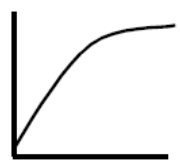
From everyday life we also know of a decreasing effect on a larger dose. Double the dose of sugar in the coffee does not keep giving double effect. When the tongue’s sensation of sweetness is completely filled, an extra dose cannot be sensed. The body’s relationship to a variety of vitamins and minerals works in the same way. The graph to the right shows the experience of sweetness at 1-14 teaspoons of sugar in coffee.
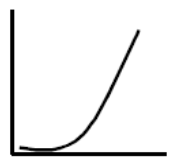
Many substances first have a measurable effect above a certain threshold value as is known from e.g. alcohol. Below the threshold, no poisoning occurs – if you drink an alcoholic beverage with 7,5 ml or 6 grams of alcohol per hour, it has no effect, but if you drink an alcoholic beverage with 30 ml or 24 grams of alcohol per hour, you exceed the liver’s threshold value for continuously breaking down alcohol, after which alcohol continuously accumulates in the blood and you become drunk.
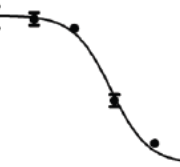
Some substances used as medicines inhibit processes in the body, so that higher doses inhibit the process more, but only within certain limits. With increasing dose, the inhibitory effect diminishes and eventually disappears. Well-known examples are statins, which lower the blood’s cholesterol content, and drugs that inhibit the stomach’s production of stomach acid.

Some drugs, including several hormones, have a bell-shaped dose-response curve. In addition to the fact that the substances are often active at very low doses, they are also only active within a “window”, so that they have a hormone-like or endocrine disrupting effect above a certain concentration, and then lose effect at higher concentrations. Several hormones and more proteins tested for cancer treatment have this type of dose-response (Reynolds, 2010; Diamond, 2004).
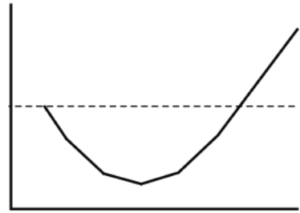
Some drugs have a U-shaped effect curve, so that the drug has a stimulating effect at low doses, but with decreasing effect at slightly higher doses, and then again has a stimulating effect at even higher doses. Several drugs with U-shaped dose-response curves are endocrine disruptors, or promote or inhibit cancer. (Almstrup et al., 2002; Davis & Svendsgaard 1990 and Vadenberg et al., 2012).

Living organisms – including humans – are extremely complex, and the “unexpected” types of non-linear toxic effects can e.g. is due to interactions where a chemical substance can affect sensors on or in the cells, immune reactions, enzymes in the liver, etc.,

In addition, the toxic effects of substances on humans can be determined by individual and often inherited genetic differences. For heavy metals such as mercury and copper, both individual differences and non-linear relationships are known (Andreoli & Sprovieri, 2017; O’Doherty et al., 2019).

In scientific research, organisms’ reactions to chemical substances are often assumed to be linear, so that researchers look for linear relationships without actually knowing if they are relevant. Non-linear contexts are also often overlooked in authorities’ risk assessments of substances. Overall, this means that researchers and authorities often disregard the toxic effects of substances on the basis of a rationale that when a clear toxic effect at low doses was not found at higher doses – well then one can simply ignore these results.

In the EU’s risk assessments of pesticides, GMOs, etc. one often disregards the concrete measurements or experiments that do not meet the requirement of linear and increasing toxicity at higher doses.

Not least Danish researchers such as Almstrup, Grandjean, Skakkebæk and Svendsgaard have helped to focus on non-linear dose response and toxic effects at low and extremely low doses. The same researchers are generally not impressed by the authorities’ ability or willingness to take this new knowledge seriously (Grandjean 2019, Hill et al 2018, Davis and Svendsgaard 1990); – neither is the Vitality Council.

Klaus Sall, cand.scient. in biology

References and further reading

Almstrup K; Fernández MF; Petersen JH; Olea N; Skakkebaek NE and Leffers H. (2002). Dual effects of phytoestro­gens result in u-shaped dose-response curves. Environ Health Perspect. 2002 August; 110(8): 743–748. LINK
Andreoli, V., Sprovieri, F., (2017). Genetic Aspects of Susceptibility to Mercury Toxicity: An Overview. Int J Environ Res Public Health 14. LINK
Davis JM og Svendsgaard DJ. 1990 U-shaped dose-response curves: their occurrence and implications for risk assessment. J Toxicol Environ Health. 1990 Jun;30(2):71-83. LINK
Diamond, D. M. 2004. Enhancement of Cognitive and Electrophysiological Measures of Hippocampal Functioning in Rats by a Low, But Not High, Dose of Dehydroepiandrosterone Sulfate (DHEAS). Nonlin. Biol. Toxicol. Med. 2004 Oct.; 2(4): 371–377. LINK
Grandjean, P., Abdennebi-Najar, L., Barouki, R., Cranor, C. F., Etzel, R. A., Gee, D., Heindel, J. J., Hougaard, K. S., Hunt, P., Nawrot, T. S., Prins, G. S., Ritz, B., Soffritti, M., Sunyer, J., & Weihe, P. (2019). Time scales of developmental toxicity impacting on research and needs for intervention. Basic & Clinical Pharmacology & Toxicology, 125(Suppl. 3), 70-80. LINK
Hill C. E., Myers J. P., Vandenberg L. N. (2018). Nonmonotonic dose-response curves occur in dose ranges that are relevant to regulatory decision-making. Dose Res. 16, 155932581879828. 1559325818798282–82. LINK
Lagarde, F., Beausoleil, C., Belcher, S. M., Belzunces, L. P., Emond, C., Guerbet, M., & Rousselle, C. (2015). Non-monotonic dose-response relationships and endocrine disruptors: a qualitative method of assessment. Environmental health 14, 13 (2015), LINK
Montévil M, Acevedo N, Schaeberle CM, Bharadwaj M, Fenton SE, and Ana M. Soto AM. 2020. A Combined Morphometric and Statistical Approach to Assess Nonmonotonicity in the Developing Mammary Gland of Rats in the CLARITY-BPA Study. Environ Health Perspect. 2020 May; 128(5):57001. LINK
Reynolds, Andrew R. 2010. Potential Relevance of Bell-Shaped and U-Shaped Dose-Responses for the Therapeutic Targeting of Angiogenesis in Cancer. Dose Response. 2010; 8(3): 253–284. LINK
O’Doherty, C., Keenan, J., Horgan, K., Murphy, R., O’Sullivan, F., Clynes, M., 2019. Copper-induced non-monotonic dose response in Caco-2 cells. In Vitro Cell.Dev.Biol.-Animal 55, 221–225. LINK
Vandenberg et al. 2012. Hormones and Endocrine-Disrupting Chemicals: Low-Dose Effects and Nonmonotonic Dose Responses. Endocrine Reviews March 14, 2012 er.2011-1050 LINK
Zoeller RT, Brown TR, Doan LL, Gore AC, Skakkebaek NE, Soto AM, Woodruff TJ, Vom Saal FS. Endocrine-disrupting chemicals and public health protection: a statement of principles from The Endocrine Society. Endocrinology 2012; 153:4097 – 110; LINK